
Amazigh Oil

One variety. An Atlas origin.
660 trees. Selected Picholine Marocaine. Hand-harvested.
نُورٌ عَلَىٰ نُورٍ
« Light upon light. »
Surah An-Nur, The Light — 24:35 · nûr ‘alâ nûr, light upon light
ONE GROVE, TWO MILLS
Our two ranges
The same trees, the same hand harvest. Then two mills and two methods — and two oils that taste nothing alike. Each range is named after its mill.
PREMIUM
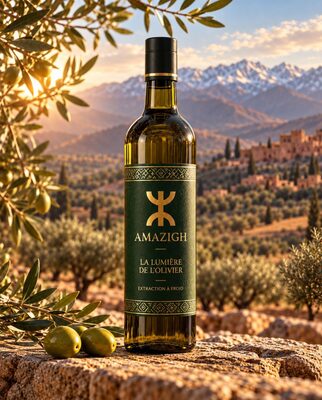
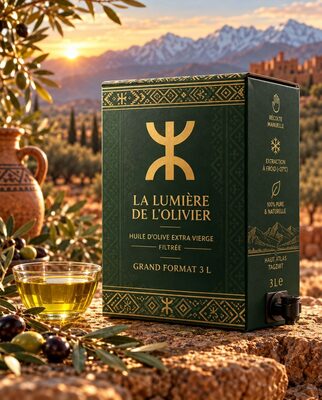
La Lumière de l'Olivier
Closed-cycle continuous mill, cold extraction below 27 °C. A bright, focused oil: cut grass, artichoke, fresh almond.
TRADITION
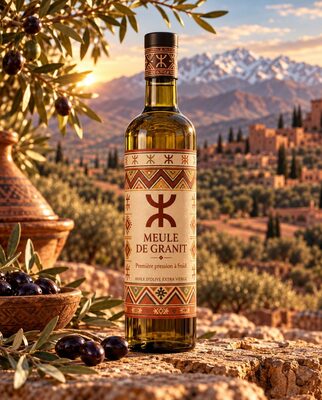
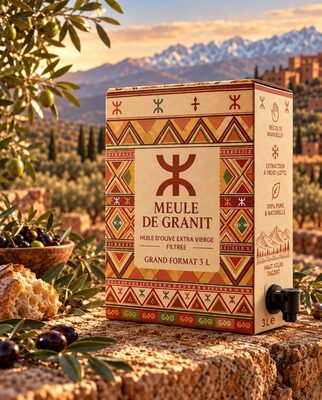
Meule de Granit
Granite millstone and press, first cold pressing. A round, generous oil: black olive and sweet almond.
THE LAND
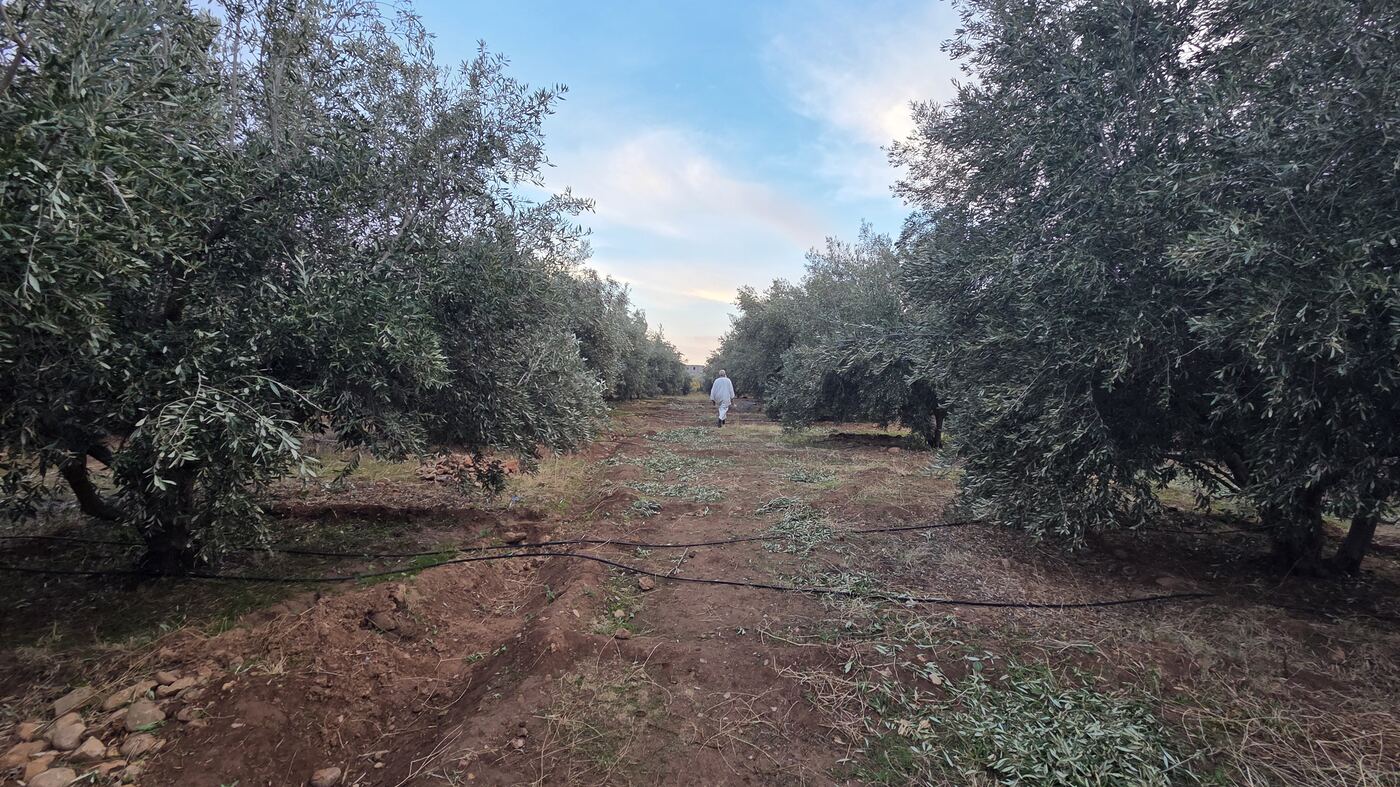
Green gold from the Atlas foothills.
Tagzirt sits at six hundred metres on the lower slopes of the High Atlas. Days are hot, nights are cool, and that swing slows ripening, giving the fruit time to build its aromas. For us it is a constraint — a later harvest, lower yields. For your oil, it is a signature.
660 olive trees, one variety, one grove, one harvest a year. No blending, no olives bought in: what you taste comes from these trees and no others.
- Altitude
- ≈ 600 m
- Coordinates
- 32°26′ N, 6°11′ W
- Variety
- Picholine Marocaine
- Olive trees
- 660
TIWIZI
Amazigh means “free people”. Tiwizi is their word for mutual help: at harvest time, neighbours lend a hand from plot to plot and return what they received. For us it is not folklore. It is how we organise the work — declared and paid — and the reason we pick by hand rather than by machine.

THE METHOD
Four steps, one light.
From tree to mill in under 24 hours.
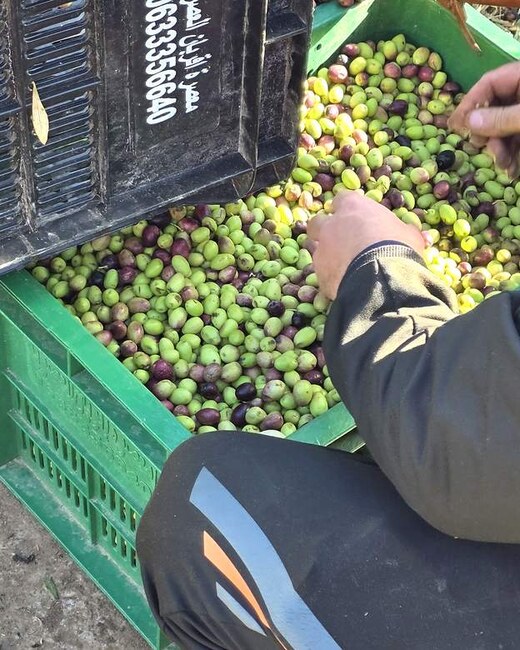
01
Picking
By hand, with a small hand rake for the higher branches. No shakers, no beating: the wood that will bear next year's crop stays unharmed.
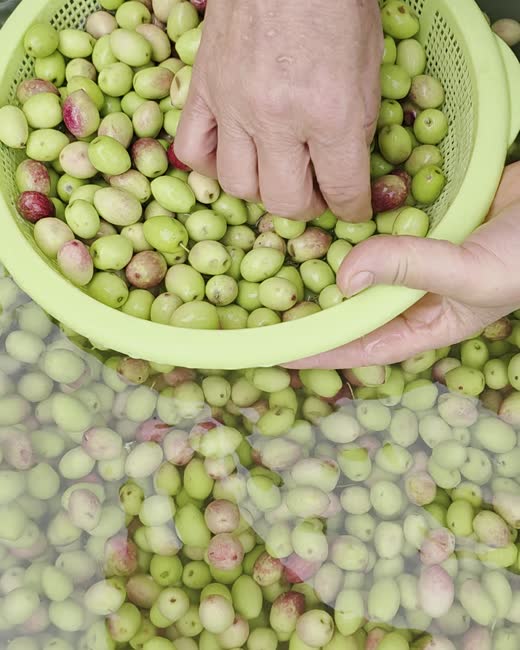
02
Sorting
Leaves, twigs and damaged fruit are removed by hand the same day, before the olives leave for the mill.
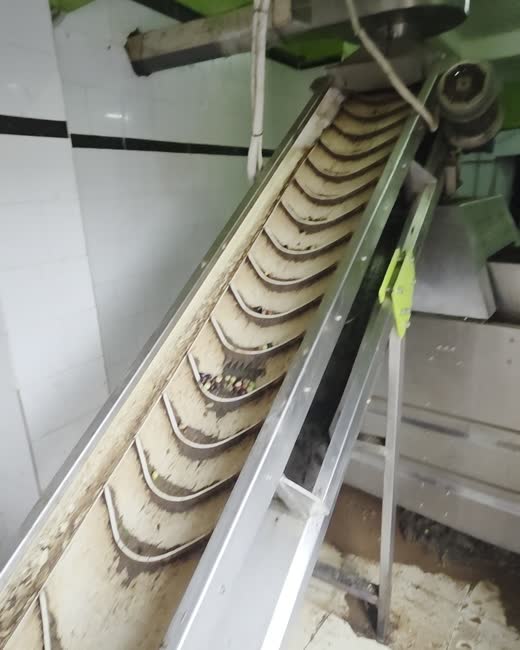
03
Milling
Milled within 24 hours of picking, never above 27 °C.
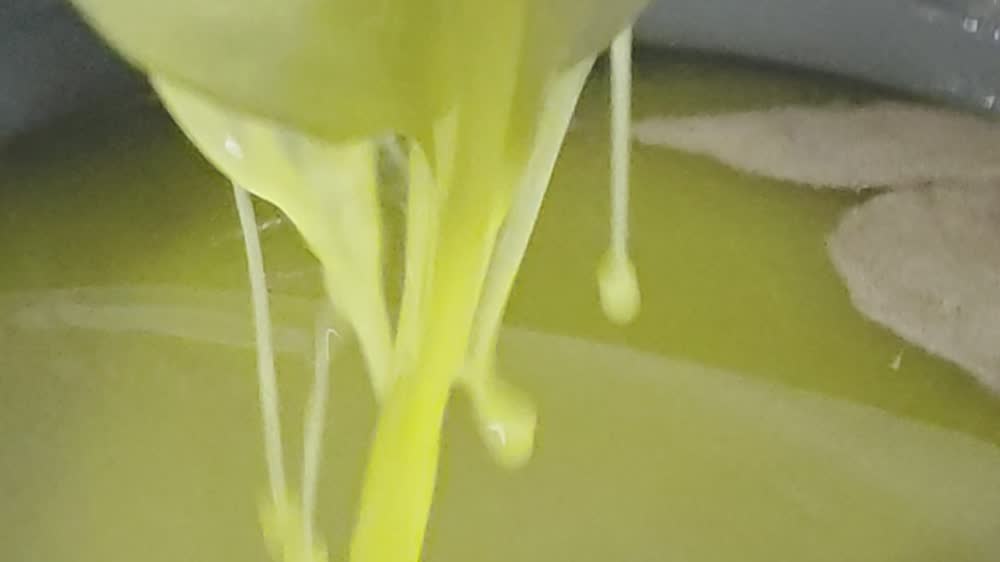
04
The light
The oil runs golden — nûr ‘alâ nûr, light upon light.
THE AMAZIGH WORLD
What our name means.
Amazigh is not a made-up name. It belongs to a people, their language and their ways — the same ways that still set the rhythm of the harvest in Tagzirt.
Imazighen, the free people
The ⵣ sign, the weavers' patterns, Yennayer and the farming calendar: what our packaging carries, and why.
Read more →At the table
Bissara, zaalouk, bread dipped at breakfast: three Moroccan ways to serve olive oil, and the range we would choose for each.
Read more →Adopt an olive tree
Adopt one of our 660 trees and follow it through the seasons, from blossom to harvest.
Read more →Gifts
Our two ranges together in one gift — including for Yennayer, the Amazigh new year.
Read more →ONE GROVE, TWO MILLS
Our two ranges
The same trees, the same hand harvest. Then two mills and two methods — and two oils that taste nothing alike. Each range is named after its mill.
Discover the range